Snoring, restless sleep, and morning fatigue can take a toll on your health and daily routine. Many people struggle with nighttime breathing issues but find CPAP therapy uncomfortable or difficult to tolerate. A mandibular advancement device (MAD) offers a comfortable, non-invasive alternative that supports better airflow during sleep.
At Gentle Dental Associates, our compassionate team has advanced training in orthodontics, sleep appliance therapy, comprehensive rehabilitation, and airway-focused dentistry. We provide custom-made appliances designed to reposition the lower jaw and improve breathing, helping you rest more peacefully.
What Is a Mandibular Advancement Device?
A mandibular advancement device is an oral appliance worn during sleep that gently moves the lower jaw forward. This repositioning helps keep the airway open, reducing snoring and nighttime breathing interruptions. MADs are compact, quiet, and easy to wear, making them a good option for patients seeking a more comfortable solution to sleep-disordered breathing.
How a MAD Supports Better Breathing
During sleep, the soft tissues of the throat can relax and narrow the airway. Shifting the lower jaw forward helps:
This approach may benefit both snorers and those with mild to moderate obstructive sleep apnea.
Benefits of a Mandibular Advancement Device
Patients often choose a MAD because it offers:
MADs can also complement other treatments, such as NightLase laser therapy and airway expansion.
Who Is a Good Candidate?
A MAD may be appropriate if you:
A thorough airway assessment and diagnostic exam help determine if this appliance is a good match for your needs.
What to Expect During the Process
Creating your custom device typically involves:
Patients usually adjust to the appliance quickly and notice improvements within a short period of consistent use.
Caring for Your Appliance
A MAD is easy to maintain. Regular cleaning keeps it fresh, and routine checkups help ensure it continues working properly and comfortably.
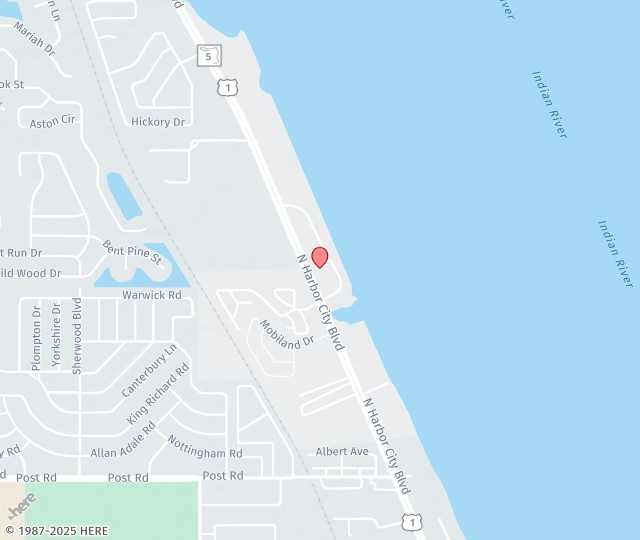
Why Choose Gentle Dental Associates for Mandibular Advancement Devices in Melbourne, FL?
Airway-related care requires a deep understanding of bite alignment, jaw function, and sleep-disordered breathing. The Gentle Dental Associates team’s continued study through organizations such as the AGD, ADA, FDA, and LVI allows them to assess complex airway concerns with precision. With digital imaging, BioPak™ diagnostics, and experience across multiple airway therapies, our team creates custom solutions that prioritize both comfort and long-term results.
FAQs
A custom mandibular advancement device is designed specifically for your mouth and jaw structure, while over-the-counter snoring mouthpieces are mass-produced and made to fit a wide range of users.
Over-the-counter options may feel bulky, less stable, or uncomfortable during sleep. In many cases, professionally made appliances provide more reliable results for snoring and mild to moderate sleep apnea while reducing the risk of strain or bite issues.
In some cases, mandibular advancement devices may reduce nighttime grinding or clenching by repositioning the jaw and improving airway stability while sleeping. Many people clench their teeth as their bodies react to restricted airflow or interrupted breathing. By helping to keep the airway open, the appliance may reduce muscle tension and episodes of unconscious grinding.
However, an MAD is not primarily designed as a bruxism appliance, so treatment recommendations depend on your symptoms and oral health. A detailed evaluation can determine whether this device alone is appropriate.
Most custom mandibular advancement devices last between three and five years, although the lifespan can vary depending on the material, how often the appliance is worn, and how well it is maintained. Daily use naturally causes wear over time, especially for those who clench or grind their teeth at night.
Regular cleanings and follow-up visits help keep the appliance in good condition and allow your dentist to monitor for signs of damage or reduced effectiveness. If the device becomes loose, cracked, or no longer fits properly due to dental changes, replacement may be necessary to maintain comfort and airway support.
Some patients may notice mild changes in bite after long-term mandibular advancement device use. Because the appliance gently repositions the lower jaw, temporary changes in how the teeth come together can occur, especially in the morning. In most cases, these sensations improve shortly after the device is removed.
Regular monitoring helps identify any developing concerns early. Those who attend routine follow-up appointments are less likely to experience significant bite issues, as small adjustments can be made over time to support both comfort and long-term oral health.
Many patients with crowns, bridges, or dental implants can still use a mandibular advancement device successfully. Before recommending treatment, your dentist will evaluate the stability of your dental work, jaw alignment, and overall oral health. A properly designed appliance distributes pressure carefully to protect restorations during sleep.
In some cases, modifications may be needed to improve comfort and avoid placing excess stress on certain teeth or implants. Individuals with extensive restorative work may benefit from additional monitoring to confirm that the appliance continues to fit correctly.
It is common to experience mild side effects during the first few weeks of wearing a mandibular advancement device. Some patients notice temporary soreness, tooth sensitivity, dry mouth, excess saliva, or slight morning bite changes as the mouth adjusts to the appliance. These symptoms are usually mild and improve as the muscles and joints adapt to the new position. If discomfort persists or worsens, your dentist can make adjustments.
Start Enjoying More Restful Nights
A mandibular advancement device may help you breathe easier and sleep more soundly (and make nighttime more enjoyable for your partner!). To explore whether this option is right for you, contact Gentle Dental Associates in Melbourne, FL, at (321) 242-3300.